
This past Thursday I was driving north in Maine for a weekend of some much-needed solo time in the woods. I was approaching Farmington. It’s one of the last bigger towns before things get real rural and gas prices climb. So, I figured I’d take a pit stop and fill up.
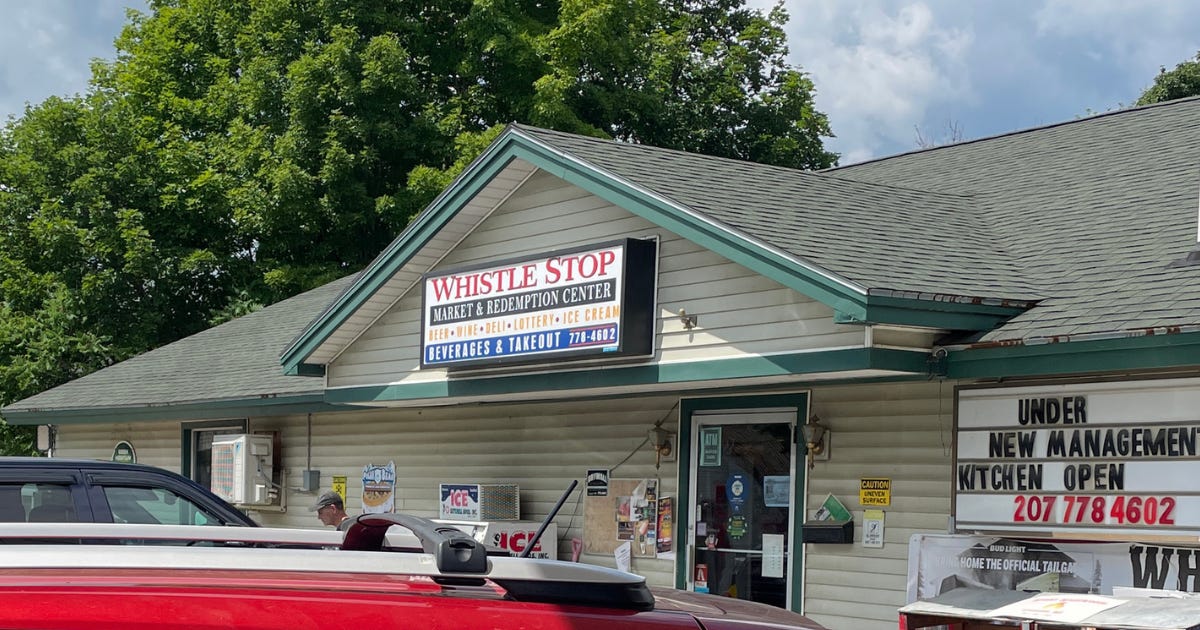
I jumped on Gas Buddy to check out prices. Gas around there was higher than I expected. Most places were over $4 a gallon. I found a place, the Whistle Stop, about a quarter mile off the main road. Their price was $3.70. An easy little detour. So, I took it.
Glad I did!
It had a great country store vibe. They even had the old-school gas pumps. The kind where the numbers spin as the gallons go by. I went inside figuring I’d have to prepay.
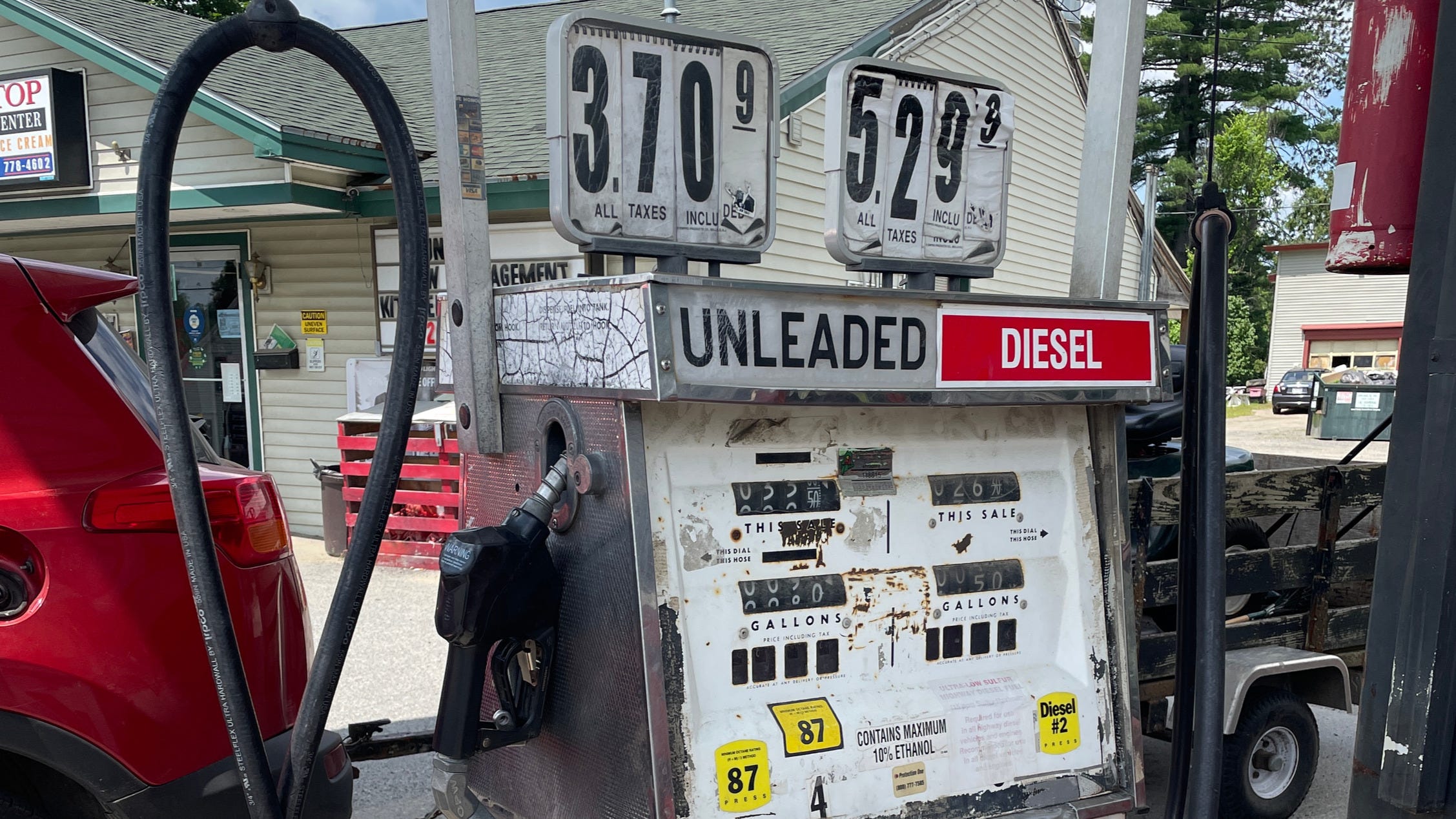
The woman behind the counter told me to fill up first and come pay after. She said the pumps are always on. I don’t know that I’ve ever experienced that. I remember it being that way when I was a kid, at the little store where my parents got gas. But I don’t think I’ve ever pumped first and paid after. Just trust and the honor system.
I walked back out to my car to pump some gas. While I was inside, an older man had pulled up on the other side of the pump and started filling up his vehicle. There’s only one pump for regular unleaded.
He apologized. He thought I had already pumped and gone in to pay. I told him no worries. I said I’d assumed I had to pay first. He laughed and said that’s not how it works here.
We got to talking. I told him I love businesses that still believe they can run on trust. The farm stands where people leave their vegetables out and you just pay. The places at the end of people’s driveways where Becca and I get our eggs. The community places where folks set out their goods and trust you to leave the money.
He agreed. When he drove off, I told him to have a great day. He said he definitely would now. Said he’d enjoyed the conversation. So, had I.
Then I went in to pay, and I told the woman what they were doing felt kind of amazing. Building a business on trust. She thanked me. She said they try to keep their prices low too, just to help people out.
That stayed with me. Because about a half mile up the road, right in downtown Farmington, there’s a WIC center. Food assistance. People who can’t always afford to feed their families. The need in the community was very visible.
And then a mile or two from that little station, there was a major gas station chain charging $4.11 a gallon. I’d just paid 41 cents less a gallon. That could be a $5, $10, or even more difference. And that difference could be one more meal on the table for a family that does not have a lot to go around.
That little gas station is what I would call community-ism. An active choice to center community, not capital. Treating your customers the way you’d want to be treated. Do unto others.
I’ve been thinking about this as I look at building a small real estate portfolio. I want to approach it in a way that leads with love. Put simply, I don’t want to rent out a place I wouldn’t be willing to live in myself.
Imagine if every landlord thought that way. Imagine if every employer did. People not willing to rent out an apartment they wouldn’t be willing to live in. Leaders not willing to create jobs or pay a wage they wouldn’t be willing to accept.
I’ve worked with big companies whose leaders make millions, own second homes, and still don’t pay their people a living wage. I don’t want to shame anyone. But I keep coming back to a simple question. What if we stopped trying to extract, and actually tried to add value to our customers and employees?
I want to build things that way. Not as a slumlord. Not even as a landlord. I don’t even like the use of the term lord. The Merriam-Webster definition of lord is, “one having power and authority over others.” I don’t want power or authority over others. I simply want to provide a good place to live at a fair price, held to the same standard I’d expect for myself.
I want to think of myself more as a housing steward.
Steward is an old word. Merriam-Webster traces it back to the Old English for keeper of the hall. Someone who looks after a home or a piece of land on behalf of the people who live there. Not to hold power over it. To care for it. To leave it better than they found it.
That feels a lot closer to love. A lot closer to community-ism.
Learn more about the adventure at www.heart-strong.org
A great story. And part of a much larger paradigm shift!
https://capitalinstitute.org/regenerative-economics-book/
Thanks for the story Jeremy. I remember back when the world used to run this way. You just made my day. Your loving aunt… ❤️